Cuba’s culture is a vibrant mix of Spanish, African, and Caribbean influences, shaping its
music, dance, clothing, festivals, and traditions. This diversity is reflected in daily life,
making Cuba a unique and culturally rich nation. Traditional Cuban clothing varies by occasion,
with the guayabera, a lightweight embroidered shirt, being a national symbol worn by men at
formal events. Women often wear rumba dresses with ruffled sleeves and bright colors, especially
during celebrations and performances. In Afro-Cuban religious ceremonies, attire holds deep
significance, as followers of Santería wear garments representing different deities.
Music and dance are at the heart of Cuban culture, with genres such as son cubano, salsa,
rumba, mambo, cha-cha-cha, and bolero influencing Latin American music. Son cubano, blending
Spanish guitar with African rhythms, laid the foundation for salsa, which gained global
recognition. Traditional dances like rumba and danzón are performed at social gatherings, while
Santería drumming and chants remain essential in spiritual rituals.
Cuba is also known for its lively festivals, where music and dance take center stage. The Havana
Carnival fills the streets with parades, elaborate costumes, and energetic performances. The
Festival del Caribe celebrates Afro-Caribbean heritage, while the International Ballet Festival
of Havana highlights Cuba’s world-class contributions to dance. December’s Las Parrandas de
Remedios features spectacular fireworks and street parties.
From its rhythmic music to its colorful traditions, Cuban culture is a reflection of its
people’s history, resilience, and creativity, making it one of the most dynamic and fascinating
cultures in the world.
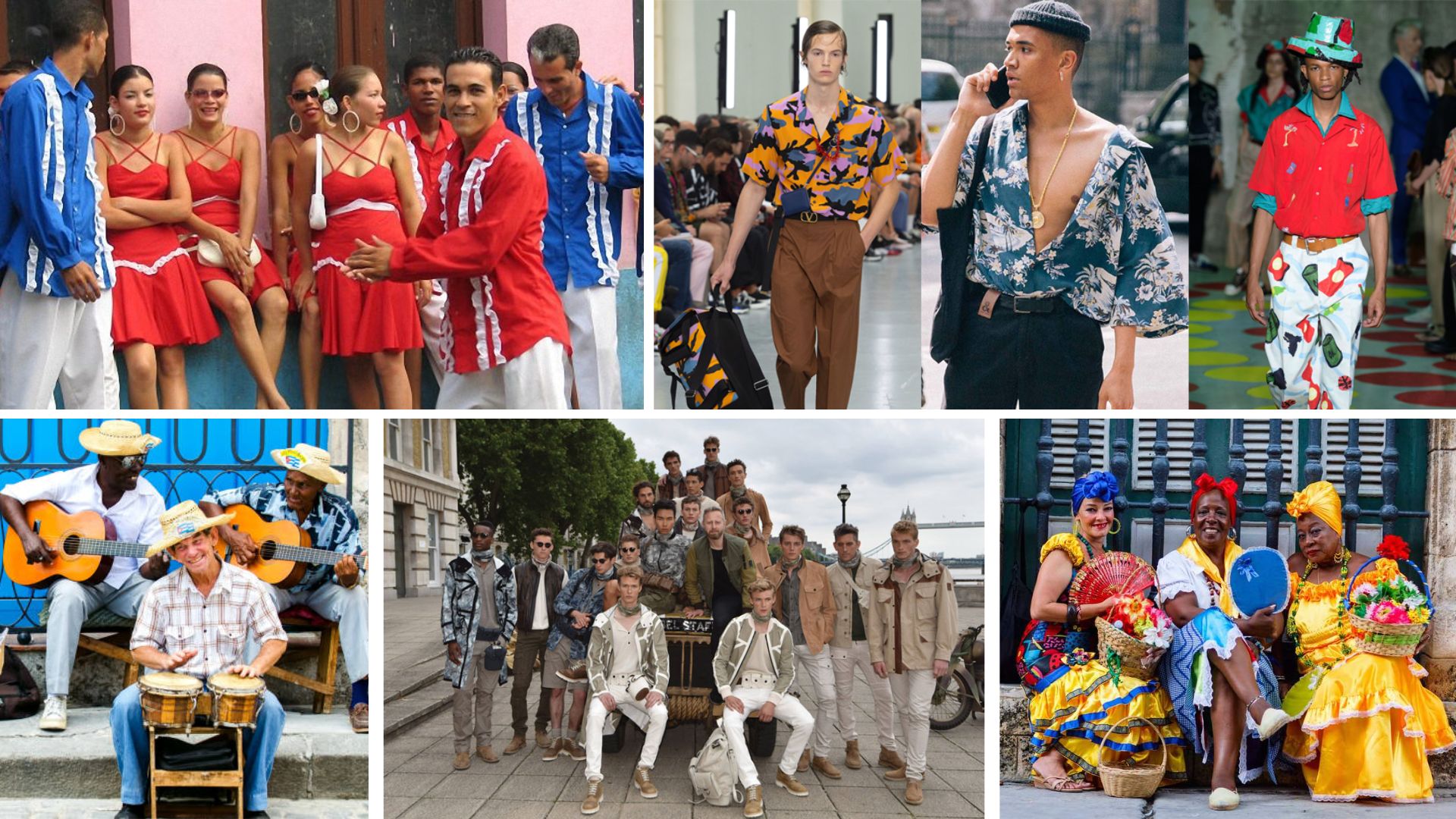
Cuba Clothing
Cuba’s clothing reflects its tropical climate, cultural heritage, and history. In daily life, Cubans wear lightweight, breathable fabrics like cotton and linen to stay cool. The guayabera, a traditional embroidered shirt, is commonly worn by men, especially for formal events. Women often wear colorful, flowy dresses suited for the warm weather. During festivals, dancers wear vibrant rumba dresses with ruffled sleeves and layered skirts. In Afro-Cuban religious ceremonies, participants wear white garments symbolizing purity. Indigenous influences are minimal due to colonization, but African and Spanish styles remain prominent. Cuban fashion blends practicality with deep cultural roots, showcasing its unique identity.
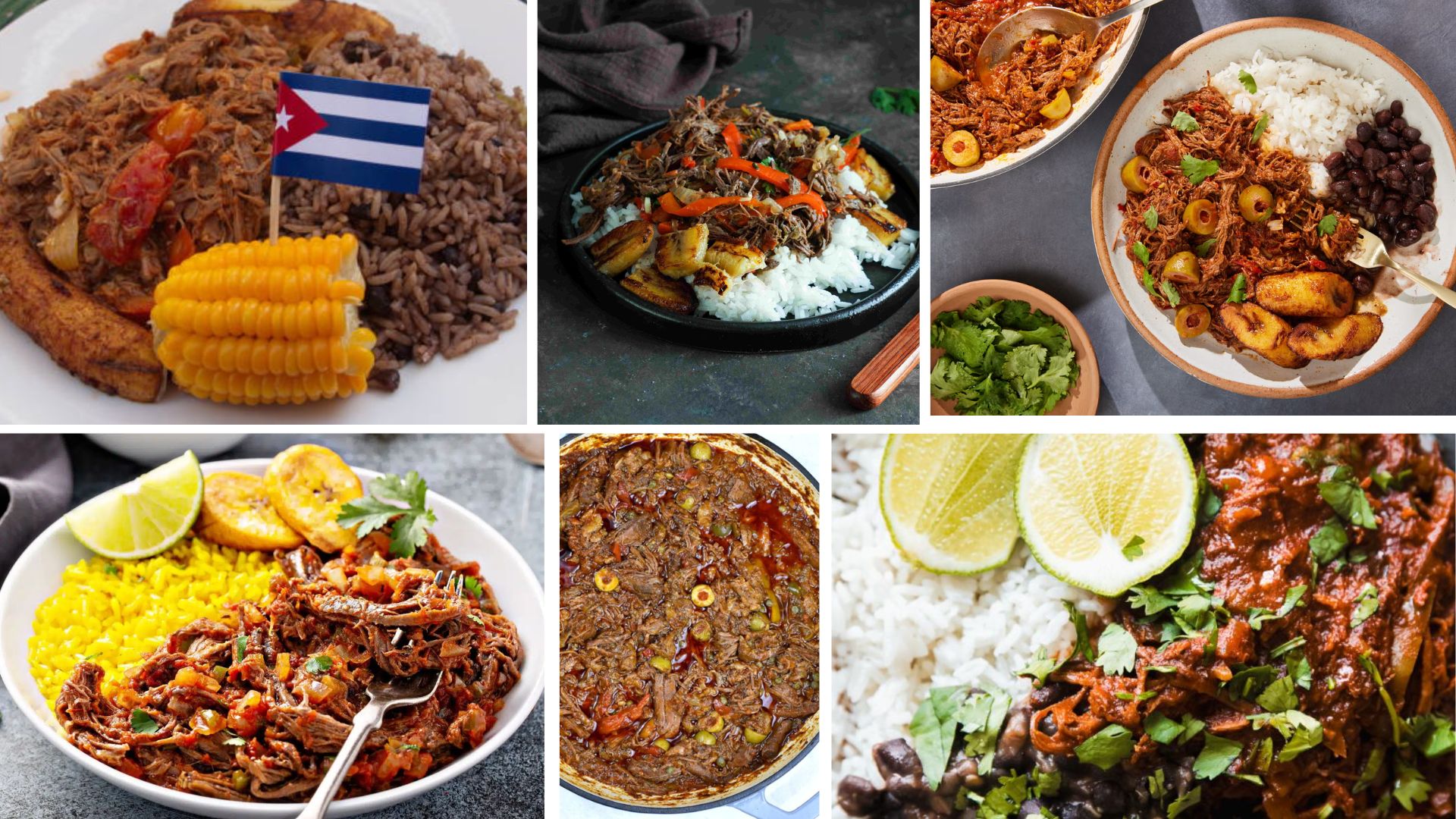
Cuba Food
Cuban food is a flavorful mix of Spanish, African, and Caribbean influences. Rice, beans, and plantains are staple ingredients, often served with meats like pork, chicken, or seafood. A popular dish is ropa vieja, a shredded beef stew cooked with tomatoes, onions, and bell peppers. Moros y cristianos, a black beans and rice dish, is a common side. Tostones, fried green plantains, are a favorite snack. Cuban sandwiches, made with roasted pork, ham, cheese, and pickles, are well-known worldwide. Sweet treats like flan and pastelitos are popular desserts. Cuban cuisine is simple yet rich, offering a unique blend of flavors.
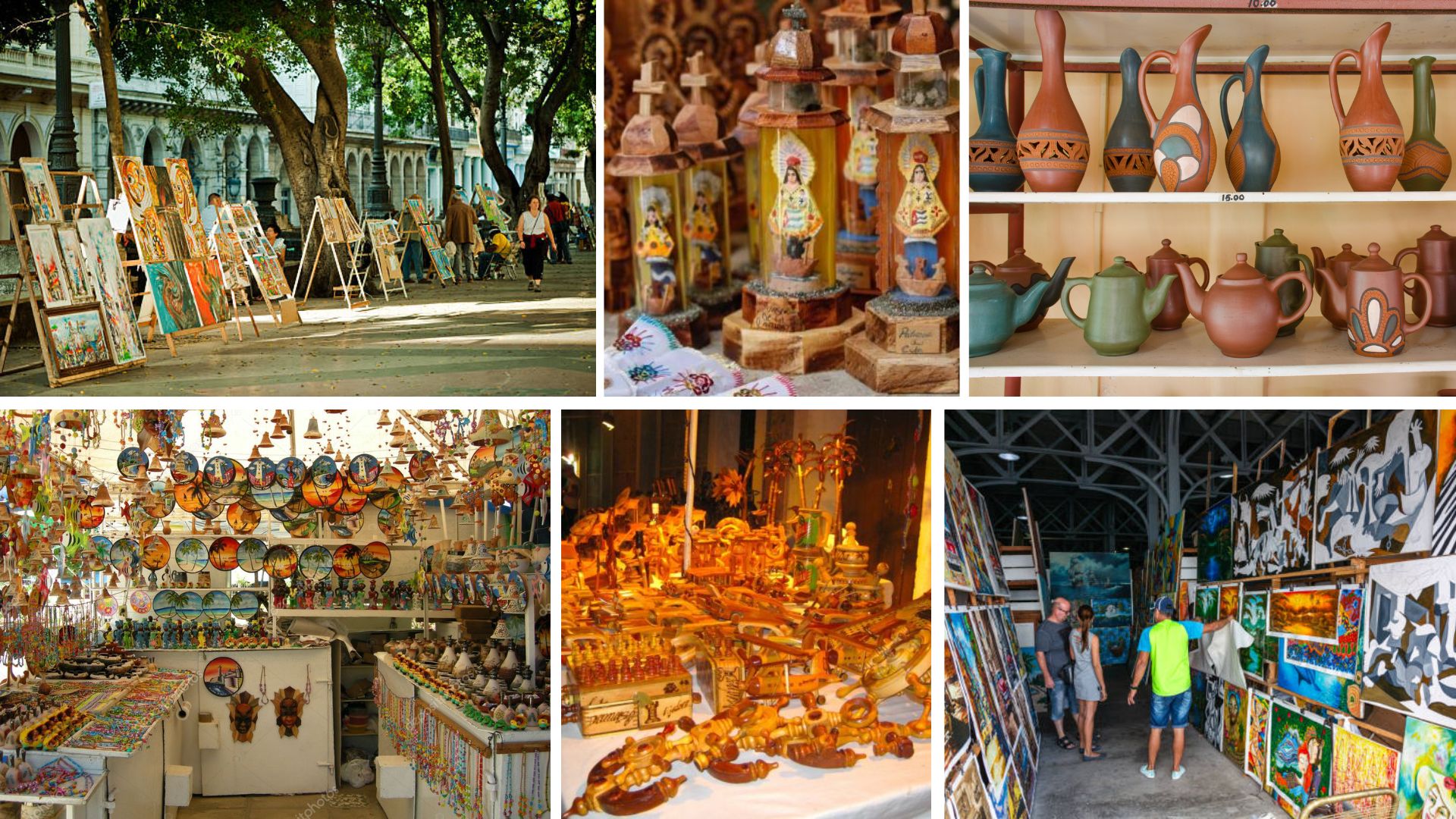
Cuba Arts and Crafts
Cuban art is a rich blend of Spanish, African, and indigenous influences, reflecting the country's history and culture. Traditional art includes vibrant paintings, sculptures, and handcrafted ceramics. During the 20th century, artists like Wilfredo Lam gained international recognition for blending surrealism with Afro-Cuban themes. Street art is also prominent, especially in Havana’s Fusterlandia and Callejón de Hamel, where murals celebrate African heritage. Cuban music, dance, and theater are deeply connected to artistic expression. Handmade crafts like wood carvings, woven baskets, and colorful textiles showcase local talent. Cuban art continues to evolve, balancing tradition with modern creativity and political expression.
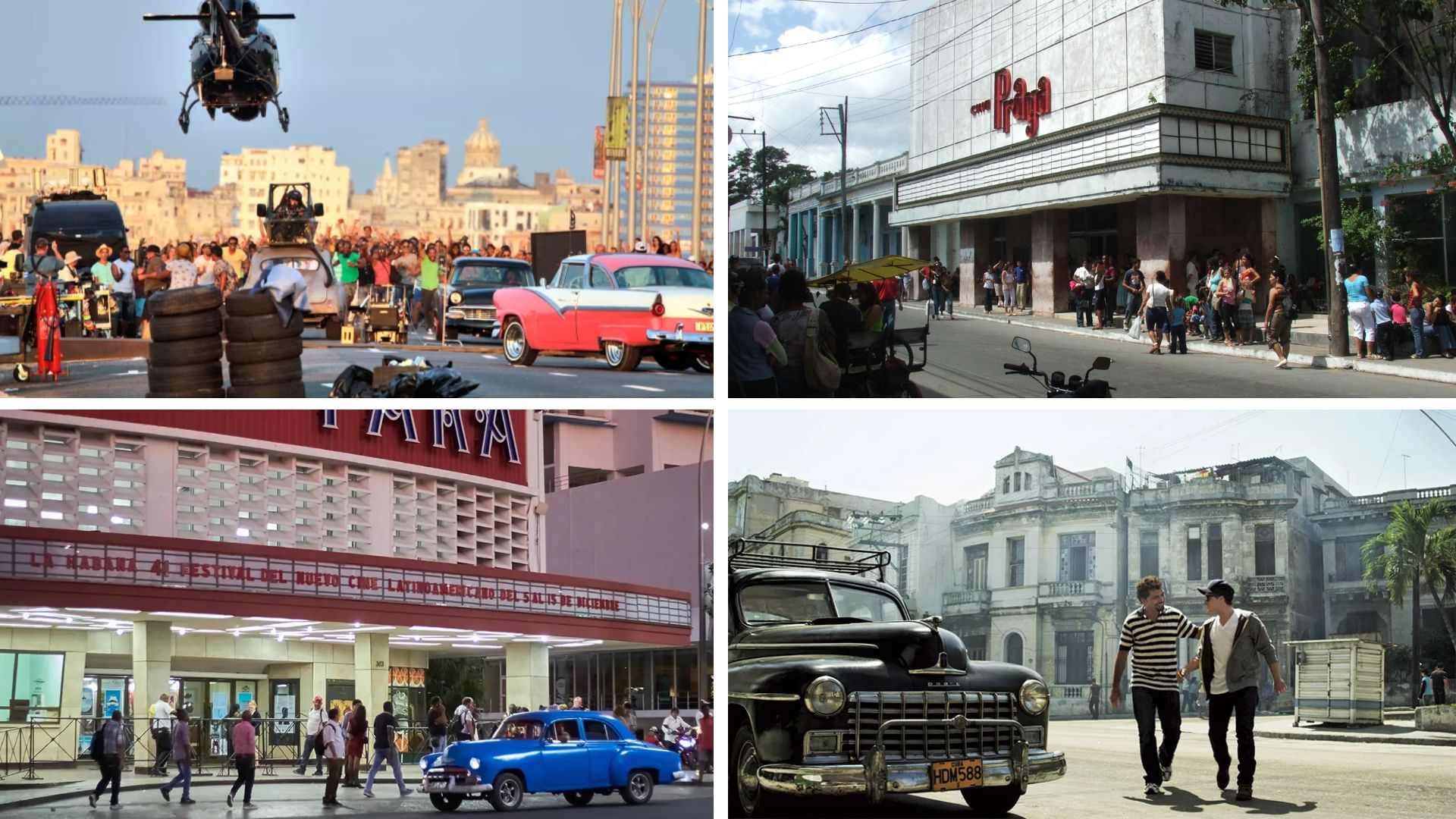
Cuba Film Industry
Cuba’s film industry is known for its rich storytelling and social themes, often reflecting the country’s history, politics, and culture. The industry gained recognition in 1959 with the creation of the Cuban Institute of Cinematographic Art and Industry (ICAIC), which promoted revolutionary cinema. Classic films like *Memories of Underdevelopment* and *Strawberry and Chocolate* explored political and social issues. The Havana Film Festival showcases Latin American cinema and emerging filmmakers. Despite limited resources, Cuban filmmakers use creativity to produce impactful films. Today, independent cinema is growing, blending tradition with modern storytelling, making Cuban cinema an important part of Latin American film history.

Cuba Economy
Cuba’s economy is largely state-controlled, with key sectors including tourism, agriculture, and manufacturing. The country relies on exports like sugar, tobacco, nickel, and pharmaceuticals. Tourism is a major source of income, attracting visitors to cities like Havana and Varadero. State-run industries dominate, but small private businesses have increased since economic reforms. The U.S. embargo limits trade, impacting growth. Remittances from Cubans abroad help support many families. Despite challenges like low wages and supply shortages, Cuba provides free healthcare and education. Recent policies aim to boost private enterprise and foreign investment, shaping the future of Cuba’s socialist economic model.